

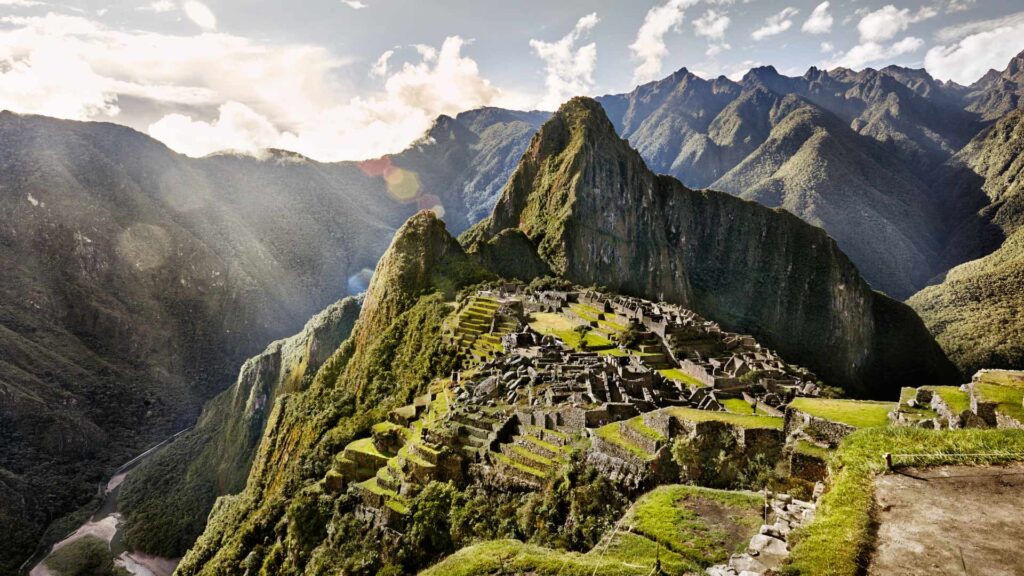
Visiting the Sacred Valley in January can be a smart move if you crave bright green scenery and thinner crowds. You will need to pack for rain and map out a few covered options for wet afternoons. Below we run through the main upsides and downsides, typical weather, top spots to explore and handy advice to help you roll with whatever skies deliver. Cusco Sacred Valley Tour
Advantages of traveling in January
- Lush landscapes: Rains turn fields and terraces into a vivid green that pops against ancient stone.
- Fewer people: Archaeological ruins feel almost private when the tourist flow slows.
- Better rates: Many guesthouses slash prices during this slow month—nice bonus.
Disadvantages of traveling in January
- Frequent showers: Expect rain or drizzle on roughly 22 days—sometimes it’s just damp, other times a steady downpour.
- Slippery paths: Mud forms fast, especially on classic trails. Solid shoes are non-negotiable and you may need backup routes.
- Possible cancellations: Heavy rain can delay trains or cancel mountain trips.
- High humidity: Around 86%—you’ll feel it on your skin if you’re not used to thick, wet air.
- Low visibility: Clouds and mist often hide the wide views you came for.
Weather snapshot
- Daytime highs: About 14°C (57°F), cool enough for a light jacket.
- Night lows: Around 7°C (45°F), so pack a thermal layer.
- Total rain: Roughly 263 mm (about 10.3 in), mainly in afternoon bursts.
- Sun hours: Only four or so per day; the rest stays cloudy or wet.
- Rainy season: Runs October through April, with January near the wettest.
Best spots to explore in January
Maras salt pans
Salt pools gleam after a shower, reflections dancing in bright little terraces.
Moray terraces
Flooded circular Inca terraces form a bowl of green—quite the sight post-rain.
Chinchero market
Textile stalls still hum with activity. Rain offers a chance to chat under awnings.
Pisac Inca City
Calmer ruins let you move at your own pace along the original stone walls.
Ollantaytambo
Dry mornings let you dart around the streets, then duck into a café when clouds open up.
Urubamba
Indoor craft workshops and restaurants make for a cozy refuge on wet days.
FAQs
- What if it pours all day?
Join a weaving workshop, visit a covered museum or catch the train to Machu Picchu—if it’s running. - What should I bring?
Waterproof jacket, sturdy non-slip shoes, thermal layers, sunblock and a hat. UV stays strong even with cloud cover. - Is January worth it?
If you love emerald hills and quiet ruins, yes—just stay flexible and plan around rain. - Can I still reach Machu Picchu?
Trains run year-round. Book ahead and budget extra time for possible weather delays. - Will rain disrupt tours?
One-day tours often shift times or routes to dodge heavy showers. A flexible schedule is key. - How bad is altitude up there?
The valley ranges from about 2,800 m to 4,000 m. Spend a night at lower-altitude lodging first, hydrate and go slow.
Wrap-up
January means intense green views and nearly empty Inca sites—just carry decent rain gear. With layered clothes, a loose itinerary and a few indoor stops, the rain becomes part of the adventure rather than a roadblock. Enjoy the valley’s calm side, rain or shine.