

What to Wear
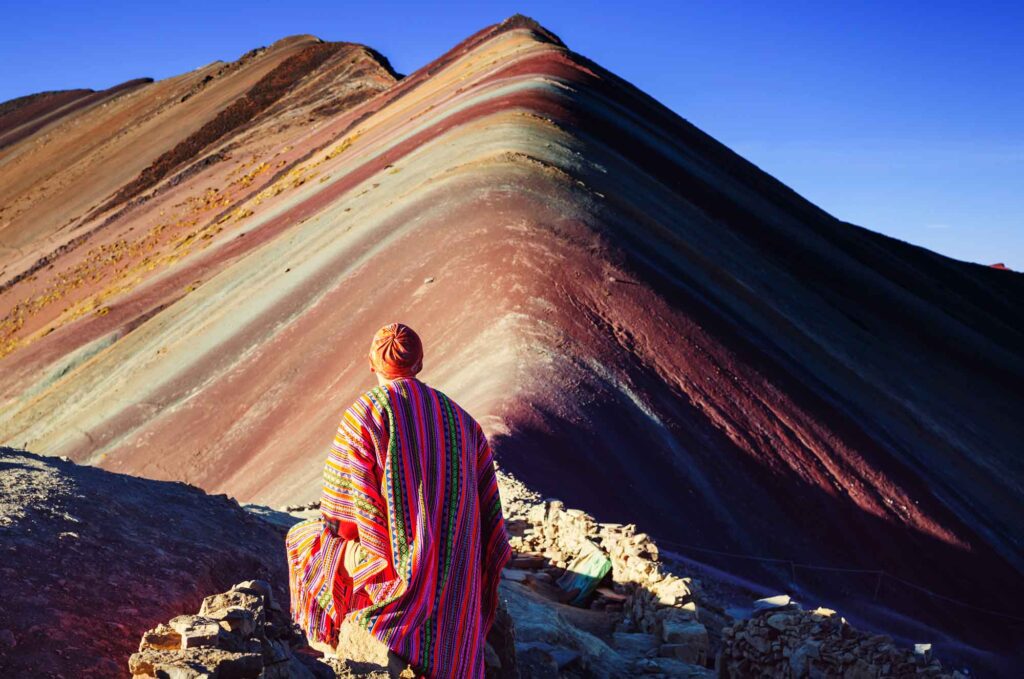
Light layers work best. Think trekking pants that shed water, a cotton polo for midday warmth, a fleece for cool mornings, and a thermal jacket for nights. Don’t forget a rain jacket—and maybe an extra poncho if skies turn ugly.
Get sturdy footwear. Waterproof hiking shoes with chunky soles for rocky Inca City trails.
On your head: a wide-brim hat or light bandana, good sunglasses, sunscreen and bug spray.
Extras (optional): a refillable water bottle, collapsible trekking poles and a small daypack.
How to Get There from Cusco
It’s pretty straightforward. Colectivos and minibuses leave from Puputi or Pavito streets all day, around S/15 one-way.
- To Pisac: follow the road past Sacsayhuaman.
- To Maras, Moray, Chinchero, Urubamba or Yucay: take the Chinchero route.
- To Ollantaytambo: head out via Pachar.
- Cusco Sacred Valley Tour
Private transport feels safer, more comfortable—and you won’t be bouncing in a packed van.
Altitude Sickness
The valley ranges between about 2,050 m and 3,000 m above sea level—lower than Cusco’s 3,500 m.
Staying a night or two in the valley first helps your lungs adjust. Work easy for the first days. Hydrate. Eat light meals—skip heavy meat or fish. Move slow. Your body will thank you.
Money
You’ll pay most things in Sol. Right now, 1 USD is roughly 3.75 Sol.
Carry small bills and coins—market stalls rarely break a big note. Hotels and bigger restaurants will take dollars, but expect a so-so rate outside Cusco.
ATMs in Pisac, Urubamba and Ollantaytambo let you draw both Sol and USD.
Luggage on the Train to Machu Picchu
If you catch the train or set off on a multi-day trek, only bring what you need day-to-day.
Each passenger is allowed one bag up to 5 kg. Everything else you’ll stash in storage before boarding.