

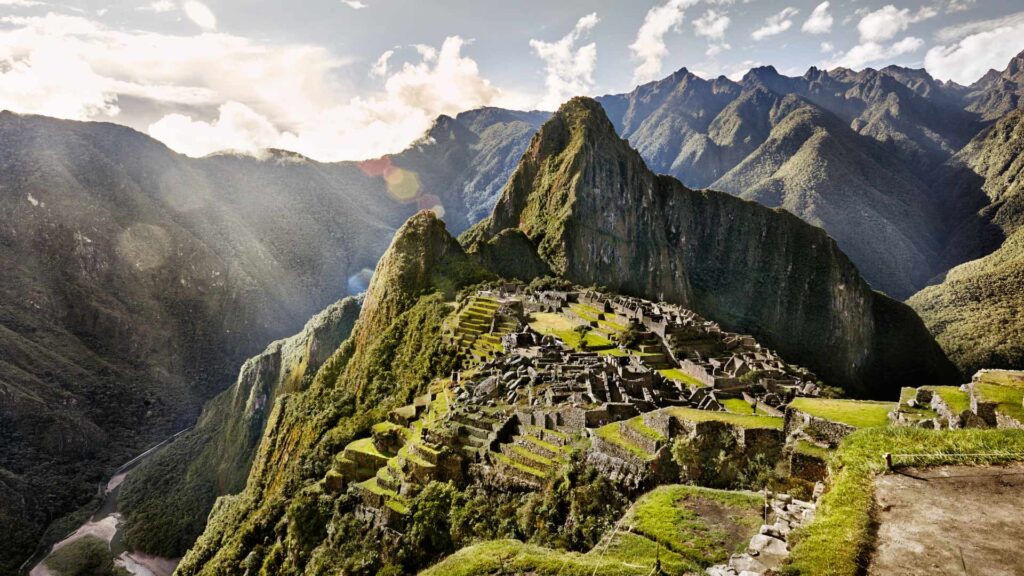
Machu Picchu’s weather is as unpredictable as its history. Located in Peru’s Andes at 2,430 meters (7,970 ft), the site straddles a tropical mountain climate with two distinct seasons: dry (May–October) and wet (November–April). Temperatures range from 12°C (54°F) at night to 24°C (75°F) at midday, but altitude and cloud cover can swing conditions fast.
Mornings often start foggy, with mist clinging to the ruins—great for photos but tricky for visibility. Afternoons clear up in dry season, while rain showers in wet months can drench trails in minutes. Microclimates add complexity: the Sun Gate (Inti Punku) might be sunny while the Temple of the Sun is shrouded in clouds. Humidity stays high year-round (70–90%), and UV radiation intensifies at this elevation. Don’t assume forecasts are reliable; packing for all scenarios is non-negotiable here.
How to Get to Machu Picchu
Most travelers take a train from Cusco (3.5 hours) or Ollantaytambo (2 hours) to Aguas Calientes, then a 30-minute bus ride up the mountain. Hikers on the Inca Trail arrive via a 4-day trek ending at the Sun Gate. Flights land in Cusco; no roads connect directly to Machu Picchu.
What to Wear for the Visit
Dress in quick-dry layers: a moisture-wicking shirt, fleece, and waterproof jacket. Wear sturdy hiking shoes—trails get slippery, especially the Huayna Picchu stairs. A wide-brimmed hat and UV-blocking sunglasses protect against intense sun. In wet season, pack rain pants and waterproof backpack covers. Avoid cotton; it traps moisture and chills you.
Best Time to Visit
Dry season (May–October) offers sunny days and cooler nights, ideal for photography and hiking. Crowds peak in June–August; book tickets early. Wet season (November–April) sees fewer tourists, lush greenery, and cheaper prices, but trails like Huayna Picchu close during heavy rains (January–February). Shoulder months (April, November) balance decent weather and moderate crowds. Note: Machu Picchu’s fog is thickest in December–January—hit-or-miss for views.
Recommended Tours
- Classic Machu Picchu Day Tour: Morning entry for sunrise over the ruins.
- Huayna Picchu Hike: Steep 2-hour climb (limited to 400 daily tickets).
- Inca Trail 4-Day Trek: Combines ruins, cloud forests, and mountain passes.
- Machu Picchu + Mountain Hike: A longer, less crowded alternative to Huayna Picchu.
- Rainbow Mountain + Machu Picchu Combo: For travelers wanting varied landscapes.
What to Pack
- Rain Gear: Poncho or jacket (storms hit suddenly).
- Sunscreen SPF 50+: UV rays are brutal at high altitude.
- Reusable Water Bottle: Fill up in Aguas Calientes to avoid single-use plastics.
- Trekking Poles: For steep, uneven paths (allowed in Machu Picchu).
- Insect Repellent: Mosquitoes thrive in wet season.
- Altitude Pills: Soroche (altitude sickness) can strike even fit travelers.
Government & Climate Restrictions
Peru’s Ministry of Culture limits daily visitors to 2,500 (book tickets months ahead). Only 400 can hike Huayna Picchu daily. During February, the Inca Trail closes for maintenance. Drones are banned site-wide. Heavy rains (January–March) may cancel trains; landslides block roads occasionally. COVID-19 protocols can change—check mask/vaccine rules before arrival. Guides are mandatory for entry; solo exploration isn’t allowed.
Age & Health Considerations
Huayna Picchu’s steep, narrow stairs aren’t safe for kids under 12 or adults with vertigo/knee issues. The Inca Trail requires stamina; seniors should consult doctors about altitude risks. Families with young kids prefer shorter tours like the Citadel visit. Altitude sickness symptoms (nausea, headaches) affect 30% of visitors—acclimate in Cusco 2–3 days first.
Local Communities Near Machu Picchu
Aguas Calientes, the gateway town, thrives on tourism but retains a laidback vibe. Locals run guesthouses, restaurants, and artisan markets. Quechua-speaking communities in the Sacred Valley (e.g., Ollantaytambo) farm corn and potatoes. Respect their land: stick to marked trails, avoid picking plants, and ask permission before photographing people.
Culture & Traditions of the Region
Machu Picchu’s legacy ties to Inca cosmology. Locals still honor Pachamama (Mother Earth) with offerings of coca leaves and chicha (corn beer). Festivals like Inti Raymi (June) reenact Inca sun rituals. Traditional textiles—made with natural dyes from cochineal insects—tell stories through patterns. In Ollantaytambo, ancient irrigation systems from Inca times still water crops. Note: Avoid touching ruins or removing stones; they’re considered sacred.
Final Tips & Alternatives
Machu Picchu’s weather demands flexibility. If rain ruins your plans, explore Aguas Calientes’ hot springs or the Manuel Chávez Ballón Museum. For quieter ruins, visit Choquequirao (3-day trek) or Ollantaytambo’s fortress. Always carry your passport—it’s checked at the site entrance. ¡Que tengas un buen viaje!